Stray Cat Coffee: Small-Lot Roasting in Baker City, Oregon
A Roaster Spotlight, first published in our newsletter, What's Brewing, on August 19, 2026.
At a glance
- Roaster: Stray Cat Coffee, Baker City, eastern Oregon
- Owners: Kent and Tammy Virtue
- Background: 32 years in the grocery industry, more than 20 years of home roasting
- Lot size: 50 to 100 pounds at a time
- Green coffee: all through Sweet Maria's, his supplier for more than 20 years
Stray Cat is the kind of name that tells you something before you have tasted a thing. Curious, independent, a little adventurous, and always finding its way home. Kent Virtue borrowed it from the real strays that wandered into his family's life over the years, and it turned out to be an honest description of the roastery too.
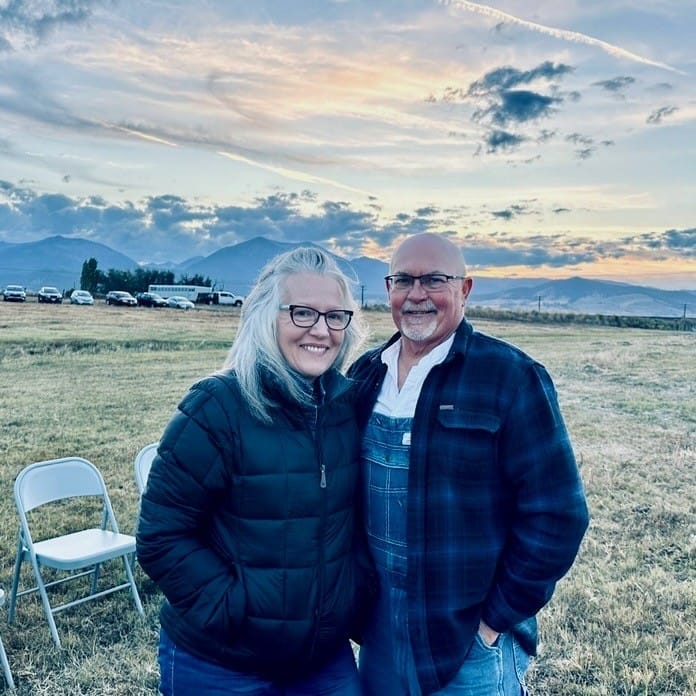 Kent and Tammy Virtue. Stray Cat Coffee, Baker City, Oregon.
Twenty years of home roasting, then a business
Kent spent 32 years in the grocery industry before he ever sold a bag of coffee. He has been married 39 years, raised three sons, and stays busy in Baker City as a Rotarian and a board member at the local farmers market. For more than two decades, roasting was just a thing he did at home, small batches handed to family and friends for the pleasure of it. After he retired and settled in Baker City, he says, he finally ran out of excuses not to make it a real business.
The town was part of the pull. Baker City offered a chance to build something of his own, and the community and the pace made it the right place to turn a long habit into a small local business. The Stray Cat name came from the family's own history with the strays that kept showing up and staying. "It felt honest, familiar, and fun," Kent says. "Exactly the tone I wanted for the roastery."
What surprised him was not the roasting or the sourcing. It was the connection. "People don't just buy coffee," he says. "They share stories, ask questions, and invite you into their lives." He expected a craft and a business. He got a stream of conversations, and that has been the most rewarding part.
How Stray Cat roasts
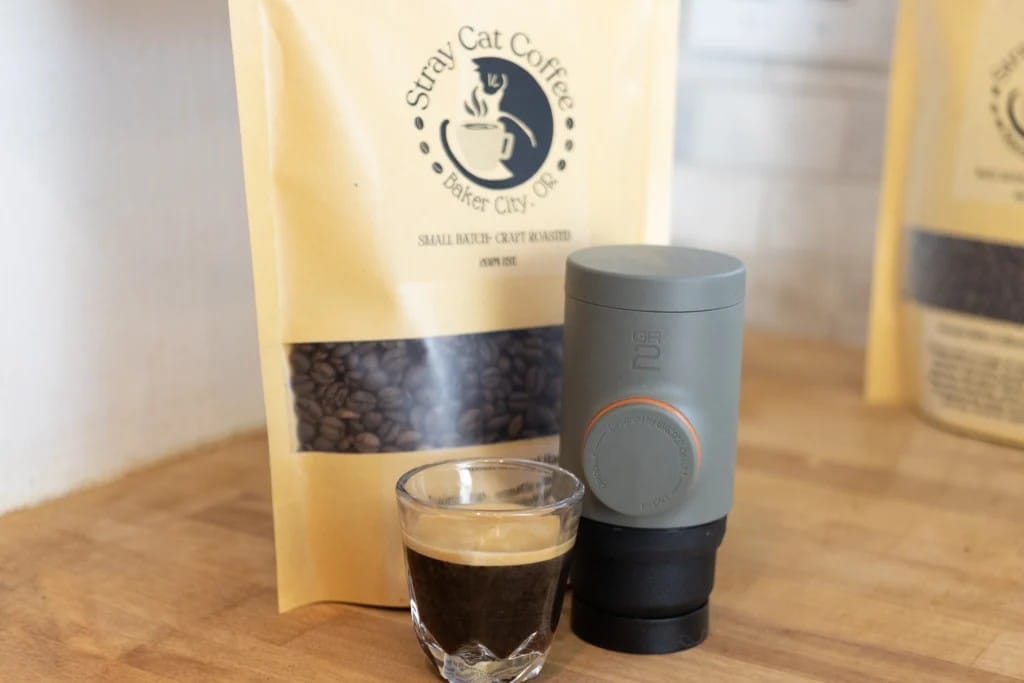 The Stray Cat approach: true to the bean, roasted to let the origin show.
Kent roasts in small lots, anywhere from 50 to 100 pounds, across a real range of styles. He wants the natural character of each lot to come through, the specific nuances of how it was processed, without pushing it too dark or flattening what makes it different. He leans on Sweet Maria's cupping notes as a compass and roasts toward what the bean is meant to be.
Ask him for his proudest coffee and he will not give you one. He and his wife might taste two or three different coffees on any given day, and the favorite moves with whatever they are roasting and drinking that week. Brewing is the same, unfixed by design. Some lots shine as a pour over, some want a French press, others are perfect in a drip pot. "I like letting the coffee itself, and the day, decide."
Sourcing: one supplier, a widening map
His green coffee all comes through Sweet Maria's, a supplier he has trusted for more than 20 years, chosen for quality, traceability, and honest cupping notes. Over time that trust has let him widen the map. He started his customers on comfortable, balanced Central and South American profiles and slowly walked them toward funkier processed microlots, African and Indonesian coffees, even some Yemen. People who once drank only the safe stuff now follow him into the strange and wonderful.
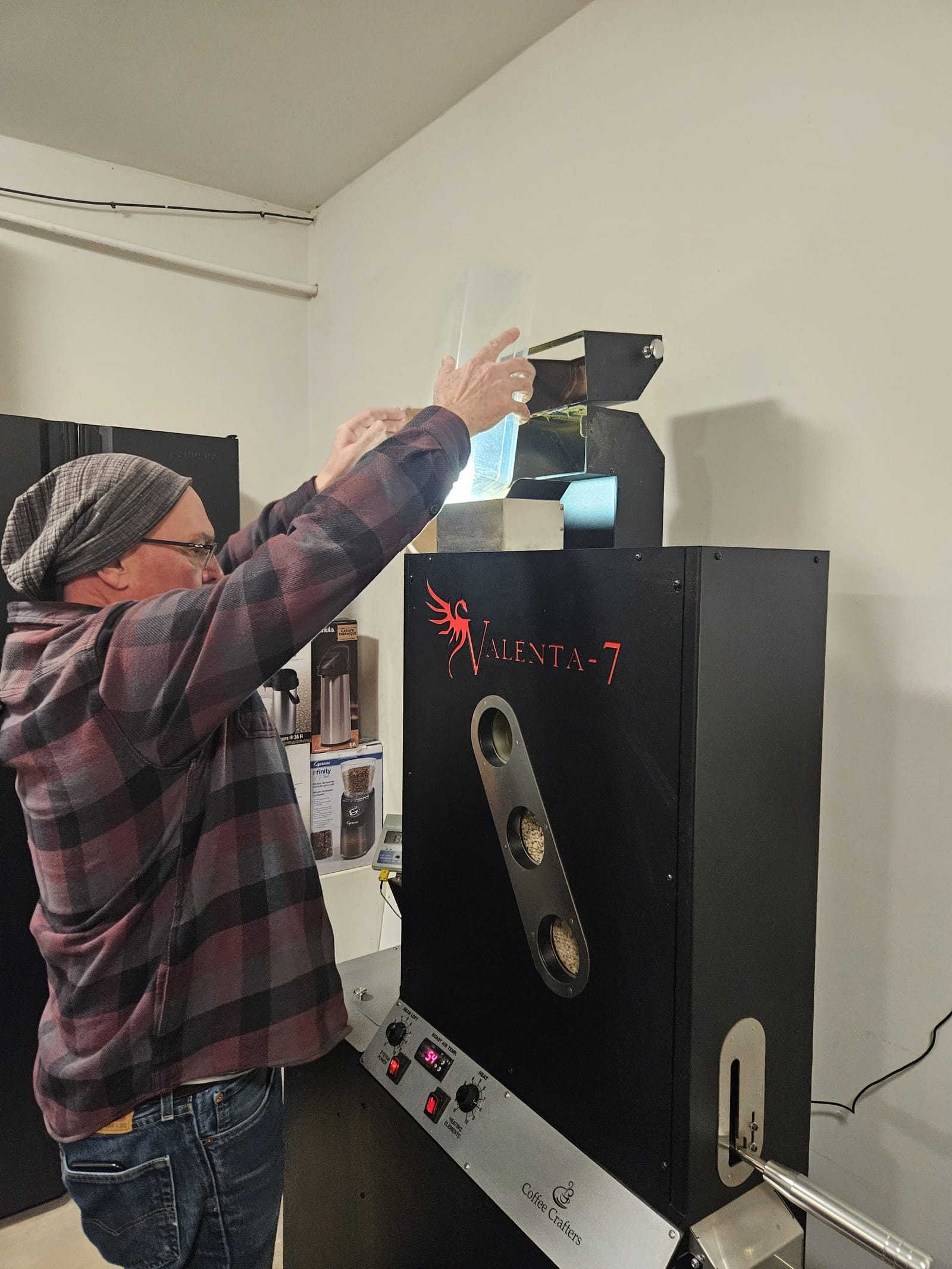 Small batch, eastern Oregon.
How Kent keeps green coffee inventory under control
Kent shared his system in the Roast Local roaster community, and it is worth repeating for anyone running a small roastery:
- Hold a floor and a ceiling on how much green is in the building at once, so you never run dry and never let beans age out in storage.
- Anchor the lineup on dependable "gateway" coffees, then use small limited runs to test the wild stuff.
- Cap how many coffees are live online at any time, because decision fatigue is real for the customer and chaos is real for the roaster.
"When a 50 to 100 lb lot is gone, it's gone. Framing it as a limited drop keeps inventory moving, gives customers a reason to buy now, and stops us from holding five pounds each of ten leftover origins in storage limbo."
What is next
In 2026 the focus is presentation. Kent is leveling up the look and feel of the brand with upgraded packaging and refreshed labeling, so what is on the shelf reflects the care that goes into the batch, for his retail and wholesale customers alike. The coffee stays the point. The bag is just catching up to it.
Find Stray Cat Coffee
Stray Cat Coffee's profile is on Roast Local. For more roasters in the state, see all Oregon roasters or our Oregon coffee scene guide.
Frequently Asked Questions
Where is Stray Cat Coffee located? Stray Cat Coffee is in Baker City, in eastern Oregon. It is run by Kent and Tammy Virtue.
Where does Stray Cat Coffee get its green coffee? All of it comes through Sweet Maria's, a supplier Kent Virtue has used for more than 20 years. The lineup has widened from Central and South American coffees to processed microlots, African and Indonesian coffees, and some Yemen.
How big are Stray Cat Coffee's roast lots? Kent roasts in small lots of 50 to 100 pounds. When a lot is gone, it is gone, and he sells those as limited drops.
Where does the name Stray Cat Coffee come from? From the real strays that wandered into the Virtue family's life over the years and stayed. Kent says the name felt "honest, familiar, and fun."
Last updated: September 2026