Rainy Day Coffee Co.
Beresford, South Dakota
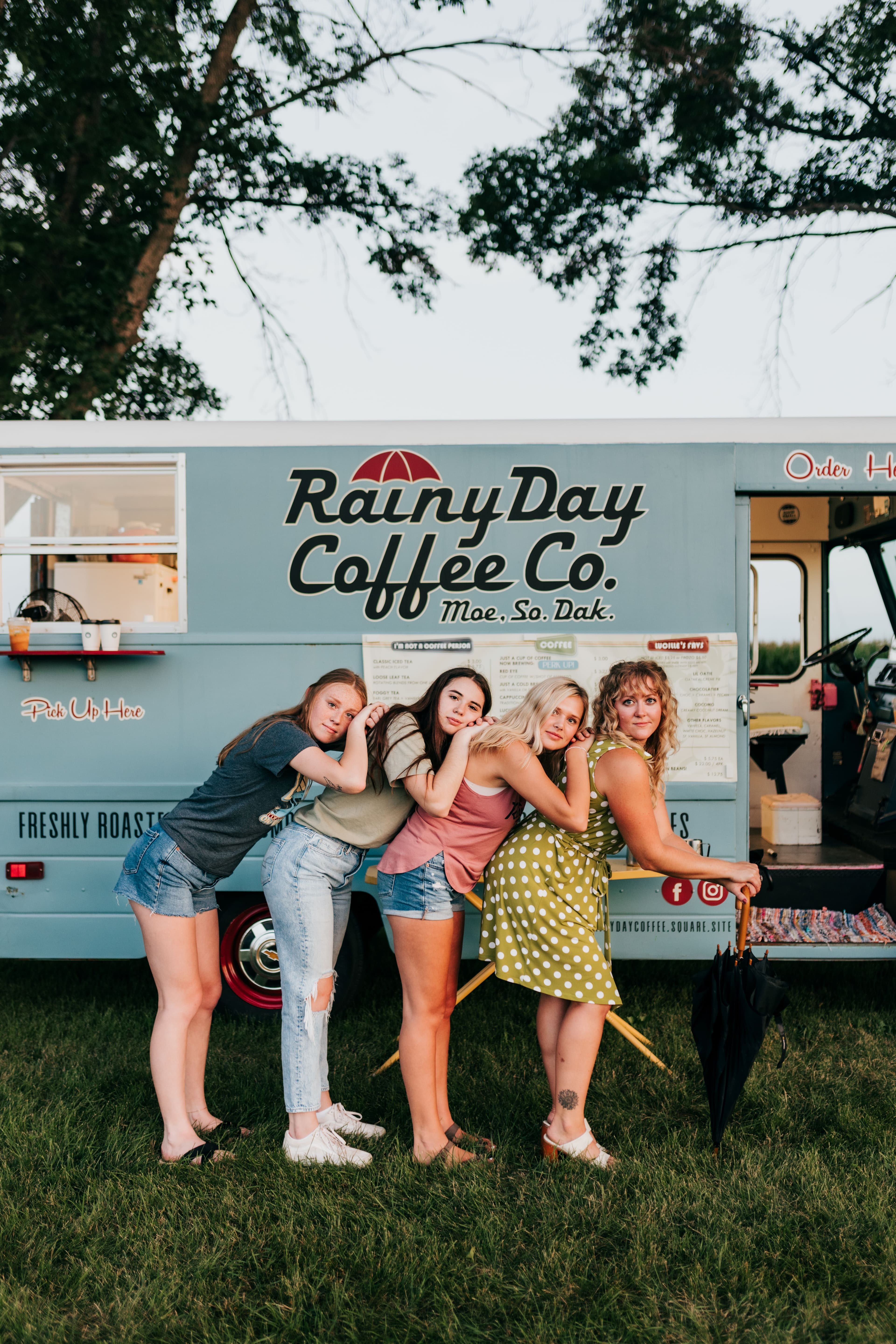
Small-batch roaster, drive-thru coffee bar and home of Lucille the Coffee Truck, in a converted old gas station in downtown Beresford, South Dakota. Roasting since 2019.
DarkLight
View Profile
South Dakota's specialty coffee scene runs from Rapid City and the Black Hills through Sioux Falls, Brookings, and Aberdeen to the Missouri River corridor, with 28 active independent roasters serving a state where craft coffee infrastructure is unusually thin to begin with. Rural prairie and river-town operators round out the map.
Roast Local maps 28 independent coffee roasters across South Dakota, concentrated in Rapid City, Sioux Falls, and Brookings.
28 independent roasters listed · Updated September 2026
Rapid City anchors western South Dakota's specialty coffee scene and is the densest coffee city in the state, with Dark Canyon Coffee Co, Essence Of Coffee, Pure Bean Coffeehouse, Black Hills Coffee Co, Brewed Awakenings, Daily Adventure Coffee Co, and Ridgeline Roasters all roasting here. The corridor runs steady year-round on Mount Rushmore, Badlands, and Custer State Park traffic, so the customer base mixes year-round residents with a heavy summer season, and the operators who have lasted built businesses that serve both without giving up craft. Keystone, five miles from Mount Rushmore, adds Holy Terror Coffee & Fudge, and the northern Hills carry Spearfish Coffee Roasters and Sturgis Coffee Company.
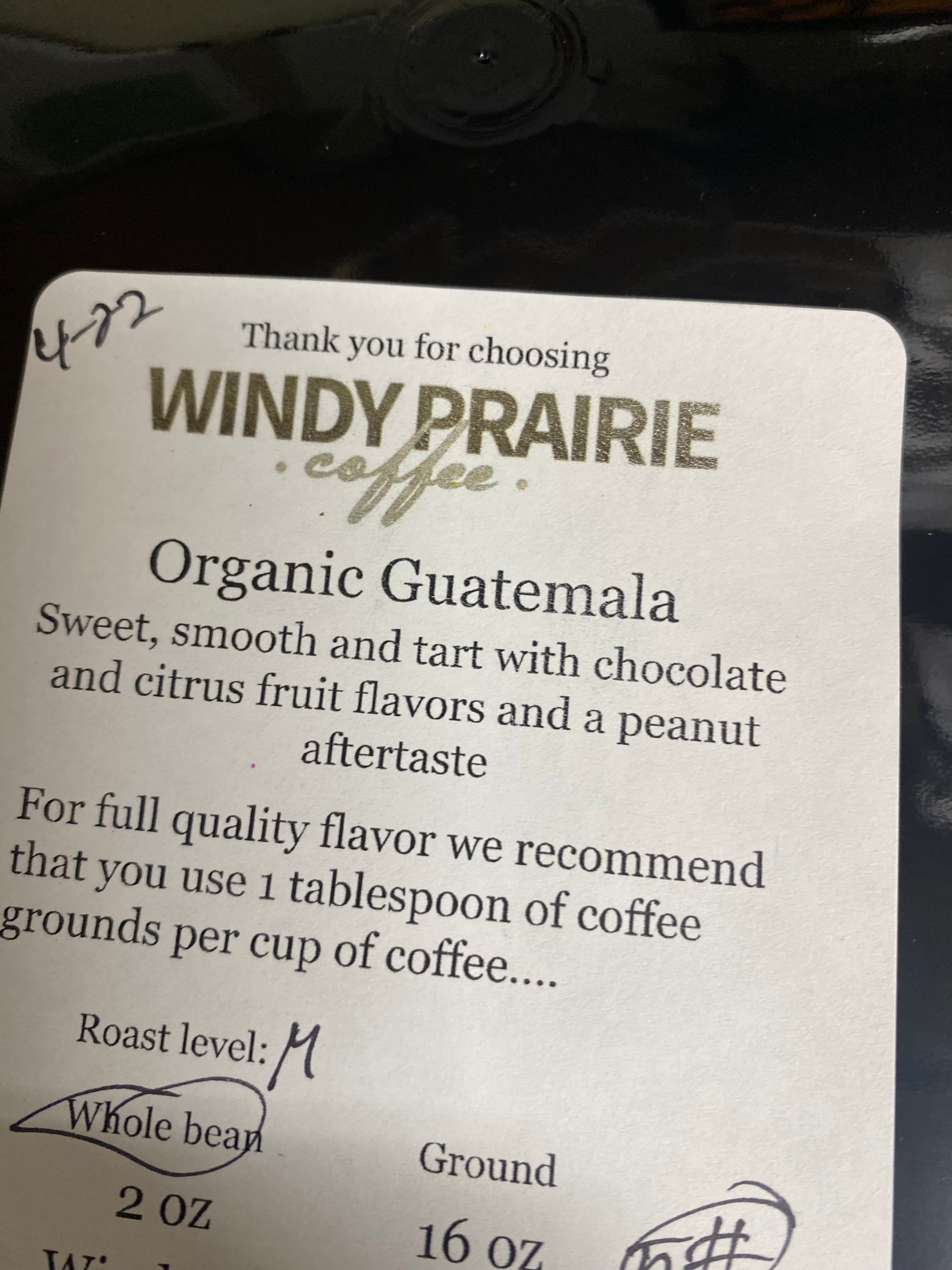
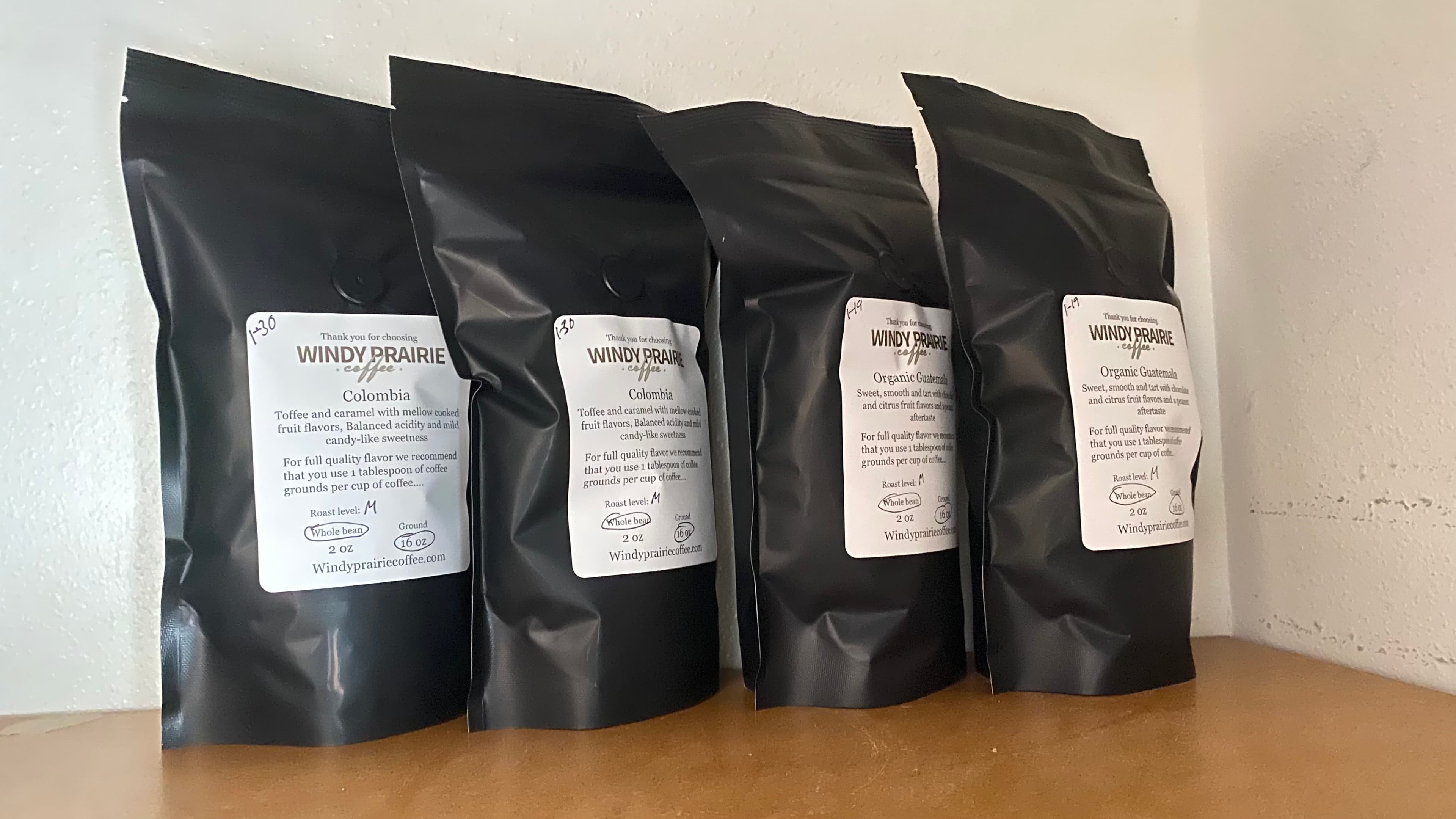
Sioux Falls is the state's largest city and its second roasting cluster, with Coffea Roasterie and Espresso Bar, The Breaks Coffee Roasting Co., Daylily Coffee, and The Source Coffee Roastery + Taproom. Brookings adds Cottonwood Coffee and Kool Beans Coffee and Roasterie in the SDSU college town, and Volga's Hello Larsons Coffee Roastery works the same corner of the state. Aberdeen anchors the northeast with Dakota Sunrise Coffee and The Market on the Plaza, in a Northern State University town whose coffee culture grew alongside the agricultural-economy reinvention of the I-29 corridor. Milbank's Windy Prairie Coffee reaches the Minnesota border.
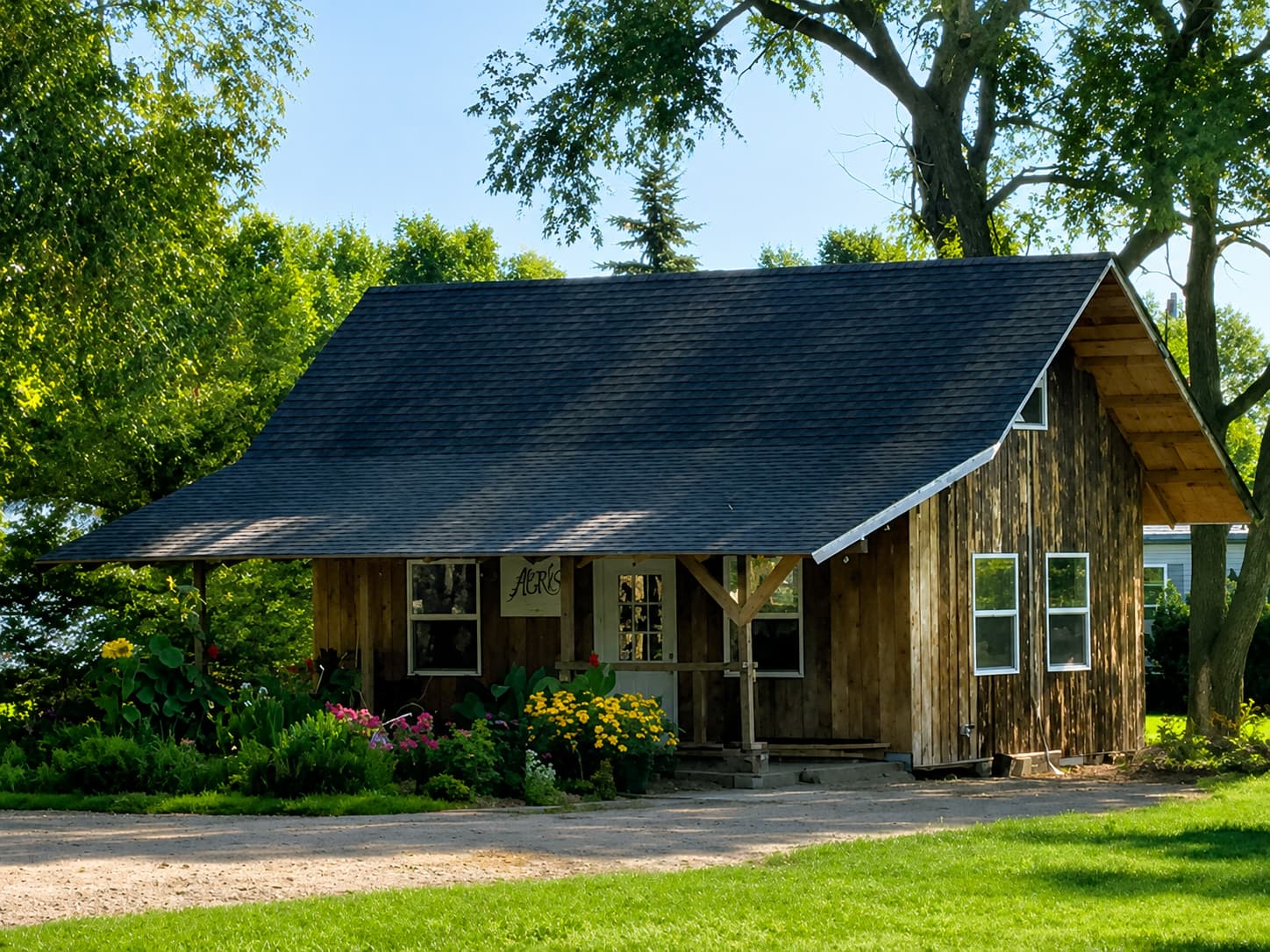
Beyond the metros, South Dakota's coffee scene reaches into the smallest communities in the state. Beresford's Rainy Day Coffee Co. covers the southeastern corner, Lennox has Maple Drip and Tea has Parable Coffee Co. in the same stretch below Sioux Falls, and Marion's Cherrybean Coffee Co and Iroquois's Aerís Roasting Co work the eastern farm towns. Gettysburg's Globetrotter Coffee Co serves the central plains and Bonesteel's McCarville Coffee Roaster the Missouri River south. The 28 active independent South Dakota roasters represent a state where coffee culture has been built deliberately by operators who chose South Dakota and decided it deserved better than commodity coffee, often serving as the only specialty option within a fifty-mile radius.
Get an email when a new independent roaster is added in South Dakota. No spam, unsubscribe anytime.
New roaster finds and updates. No spam, no set schedule.